The Best Eco-Friendly House Cleaning Supplies for a Non-Toxic Home
Discover the best eco-friendly house cleaning supplies. Learn how to use white vinegar, baking soda, and castile soap to clean every room without toxic chemicals.
Read MoreWhen we talk about Eco Friendly Cleaning, the practice of using non‑toxic, biodegradable products and methods to keep your home spotless while protecting the environment. Also known as green cleaning, it replaces harsh chemicals with safer alternatives that work just as well. Natural All‑Purpose Cleaner, a DIY blend of vinegar, citrus and essential oils that cuts grease without polluting is a core tool, as is the Homemade Oven Cleaner, a paste of baking soda and water that melts baked‑on grime without fumes. Even your laundry can go green with an Eco Laundry Detergent, plant‑based powders or liquids that break down stains while remaining gentle on waterways. In short, Eco Friendly Cleaning encompasses the use of safe ingredients, encourages DIY solutions, and reduces the household’s ecological footprint.
Understanding the attributes of each green product helps you pick the right tool for the job. A natural all‑purpose cleaner usually scores high on three attributes: non‑toxicity, biodegradability, and versatility. For example, a mix of 1 part white vinegar, 1 part water, and a few drops of lemon oil cuts grease on stovetops, countertops, and even glass. The science behind it is simple – acidity breaks down lipo‑soluble grime, while citrus oils add a fresh scent and mild antimicrobial action. Eco Friendly Cleaning requires safe ingredients, which means you’ll avoid the respiratory irritation that comes from ammonia or bleach. When it comes to ovens, the classic homemade oven cleaner relies on the alkaline nature of baking soda. Spread a thick paste, let it sit overnight, and the carbon dioxide released during the reaction lifts baked‑on residue. This method does not produce hazardous fumes, making it ideal for homes with children or pets. Pair the paste with a soft scrub brush or a damp microfiber cloth to avoid scratching enamel surfaces. Laundry detergents that claim to be eco‑friendly often list plant‑derived surfactants, such as coconut or corn‑based agents, as their main cleaning power. These surfactants enhance soil removal while breaking down more easily in wastewater treatment plants. Look for certifications like EU Ecolabel or USDA Organic to verify true sustainability. When you choose an eco laundry detergent, you’re not just cleaning clothes; you’re supporting a supply chain that minimizes water usage and avoids phosphates that harm aquatic life. Each of these solutions shares a common thread: they are effective, affordable, and safe for both people and the planet. Green cleaning influences indoor air quality by reducing volatile organic compounds, and it also helps extend the lifespan of appliances and fabrics because harsh chemicals can degrade seals and fibres over time.
Now that you see how natural cleaners, DIY oven paste, and plant‑based detergents fit into a broader eco‑friendly strategy, you’re ready to explore the collection of articles below. From step‑by‑step recipes for a sparkling oven to profit guides for pressure washing businesses that use environmentally safe methods, the posts cover every angle of sustainable home care. Dive in and pick the tips that match your needs – whether you’re looking for a quick kitchen fix or a deep‑cleaning overhaul that respects the environment.
Discover the best eco-friendly house cleaning supplies. Learn how to use white vinegar, baking soda, and castile soap to clean every room without toxic chemicals.
Read More
Can you swap vinegar for lemon juice when cleaning? Learn when it works, where it fails, and which surfaces to avoid to keep your home eco-friendly.
Read More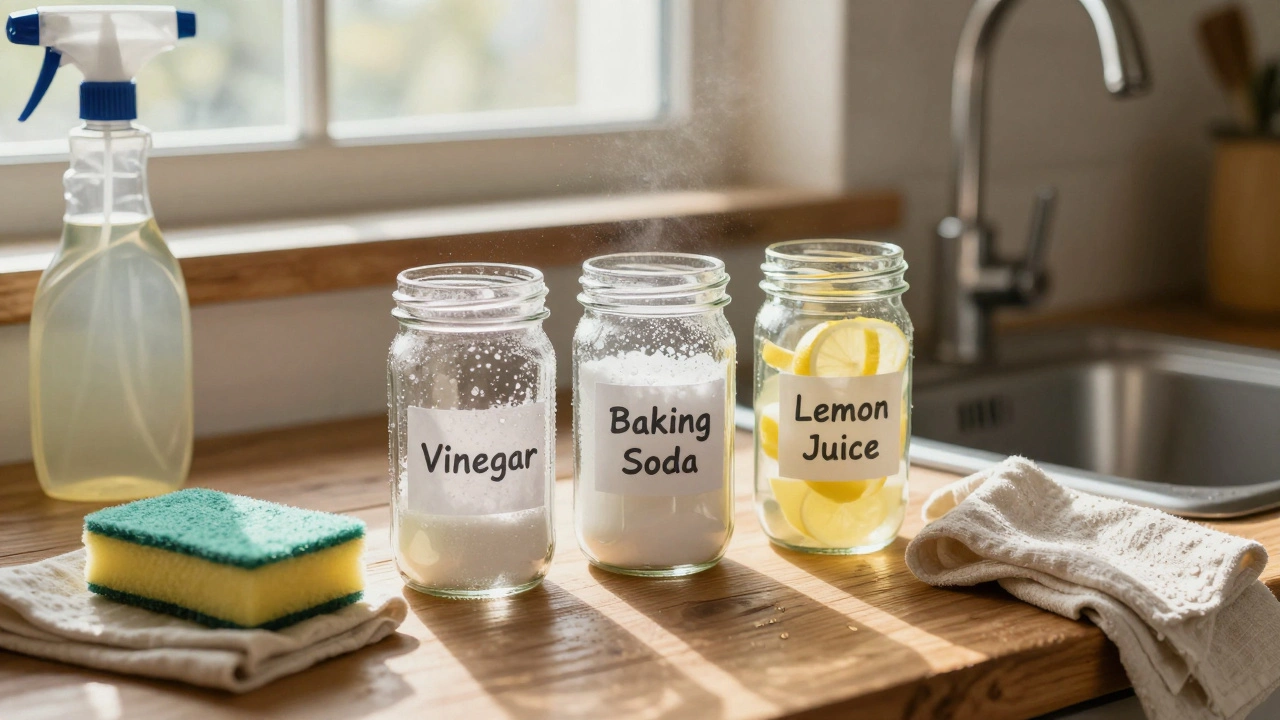
Vinegar, baking soda, and lemon juice are the three most effective natural cleaning agents. They’re safe, affordable, and work better than many chemical cleaners for everyday home use.
Read More
Discover what makes a homemade natural all-purpose cleaner. Learn easy recipes, how it works, pro tips, and the science behind safe eco cleaning for every room.
Read More
Explore what outperforms pressure washing for cleaning your home's exterior. Discover eco-friendly, safe, and effective methods—plus smart tips that do more than just blast away grime.
Read More
Curious why eco-friendly cleaning products break the bank compared to the regular stuff? This article ditches fluff and digs deep into the real reasons for the price gap, with facts, tips, and myths debunked.
Read More
Torn between vinegar and hydrogen peroxide for disinfecting? Get the facts on which does a better job, where each shines, and what you should never mix. Find out how natural cleaners compare to harsh chemicals and get tips to use them safely at home. No guesswork—just straightforward, real-world eco-cleaning advice.
Read More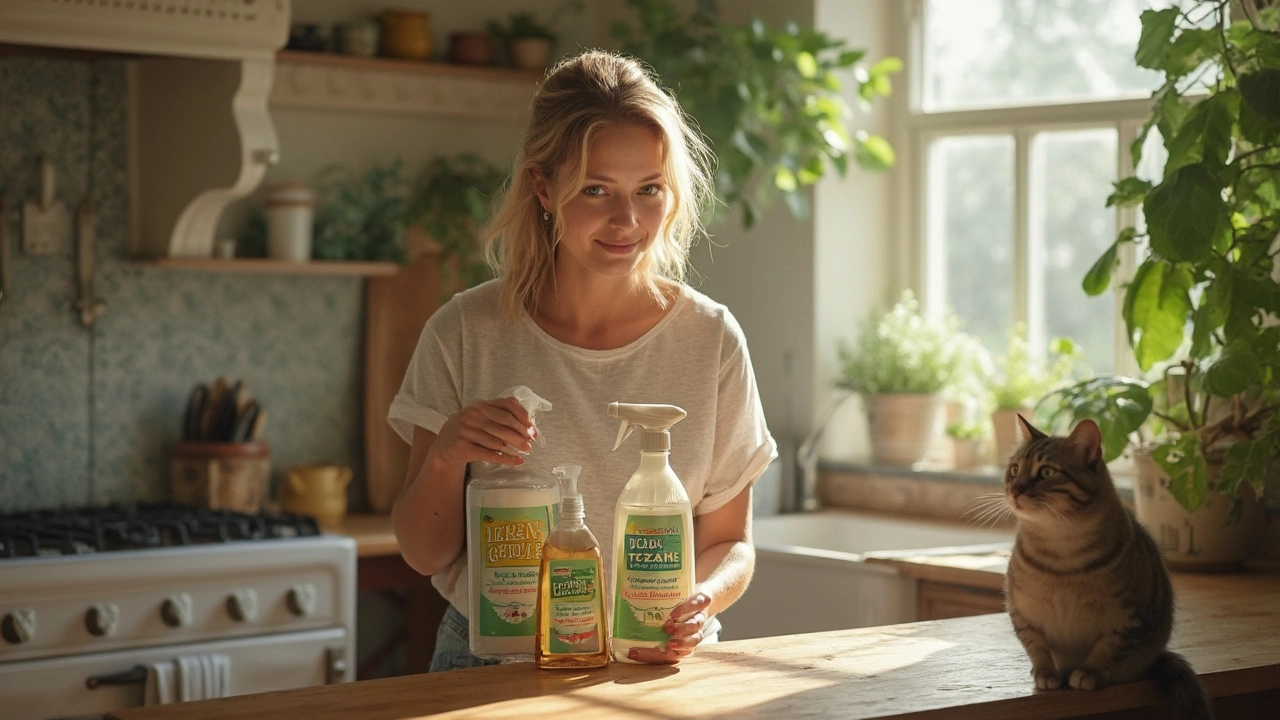
Trying to find eco-friendly cleaning products can get confusing with flashy labels and endless choices. This article breaks down how to spot real green options, which ingredients actually matter, and which ones to avoid. Discover tips for reading labels, understanding certifications, and making greener choices without emptying your wallet. Get practical advice on the real impact of your cleaning supplies on the planet, your health, and even your pets. Make cleaning safe, healthy, and better for the environment—without losing effectiveness.
Read More
Ever wondered if it's actually possible to be 100% eco-friendly with your cleaning routine? This article breaks down what's realistic, what's hype, and offers smart, doable tips for anyone trying to shrink their environmental footprint. You'll see where even green products can slip up, how to avoid common traps, and ways to make your cleaning routine as sustainable as it gets. Real talk, zero guilt, and plenty of practical advice. Let's clear up the myths and get your home cleaner and greener, step by step.
Read More
Vinegar is a popular eco-friendly cleaning solution, but it's not suitable for everything. Learn where you shouldn't use vinegar to avoid damage and get the best results. From countertops to electronic screens, this guide will help you clean smarter, ensuring you keep your home fresh without the risk of harm.
Read More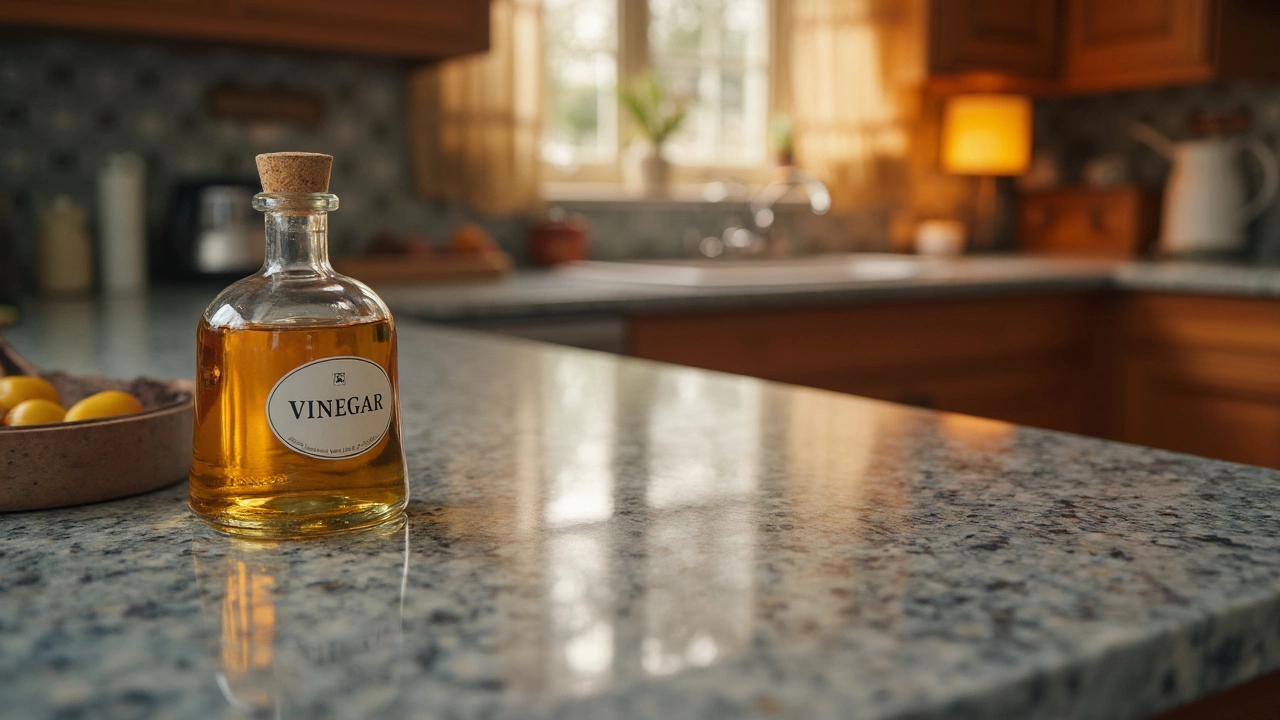
Vinegar is a popular natural cleaner, but it's not suitable for all surfaces. Avoid using vinegar on granite, marble, and stone surfaces, as it can cause damage over time. Similarly, vinegar can ruin hardwood floors and certain metal surfaces. Knowing where not to use vinegar helps in maintaining a longer life for your belongings while staying eco-friendly.
Read More
Finding an effective yet eco-friendly outdoor cleaner doesn't have to be a daunting task. This article breaks down the best green cleaning solutions for outdoor spaces, highlighting their benefits and offering practical tips. Learn how to keep your surroundings clean without harming the environment. From everyday items to specialized products, discover options that make cleaning both effective and sustainable. Embrace eco-friendliness in your regular cleaning routine.
Read More