Vinegar – Versatile Cleaning Power for Your Home
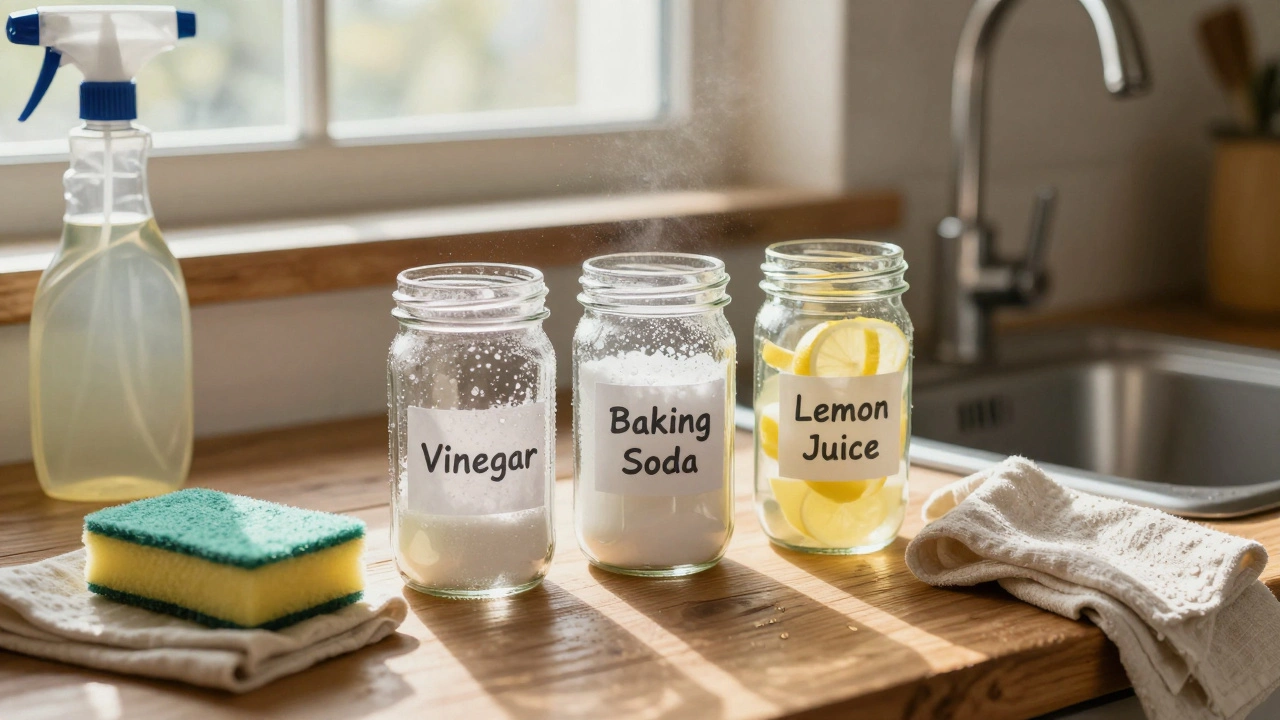
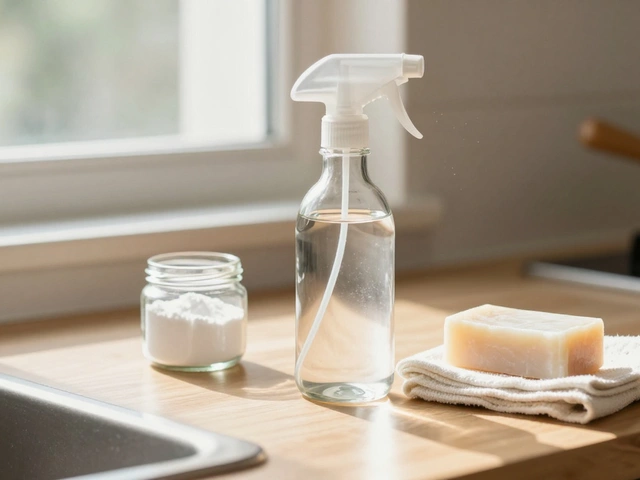
When working with vinegar, a mild acid made from fermented sugars that cuts through grease, grime, and mineral buildup. Also known as acetic acid, it acts as a natural degreaser and disinfectant. Did you know that a kitchen staple can melt years of baked‑on residue in minutes? That’s because vinegar cleaning leverages its acidity to break down carbonized food without harsh chemicals. In oven cleaning, a mix of vinegar and baking soda creates a fizzing reaction that lifts stubborn grease while keeping your appliance safe. The same principle works for window cleaning: a spray of diluted vinegar dissolves hard‑water spots, leaving glass crystal clear and streak‑free. These connections form a simple rule: vinegar encompasses natural cleaning, requires dilution for safety, and influences hard‑water stain removal. Below, we’ll walk through the why and how of each use, so you can swap out pricey chemicals for a pantry hero.
Why Vinegar Works Across Different Cleaning Tasks
Vinegar’s power comes from its low pH, usually around 2.5 to 3.0. That acidity attacks alkaline substances—think burnt‑on fats in ovens or calcium deposits on windows—and turns them into soluble compounds that rinse away easily. For oven interiors, the acid reacts with carbonized sugars, turning the thick, blackened layer into a mush that a soft cloth can wipe clean. When you add a sprinkle of baking soda, you introduce a weak base; the resulting carbon dioxide bubbles work like a gentle scrub, lifting debris without scratching surfaces.
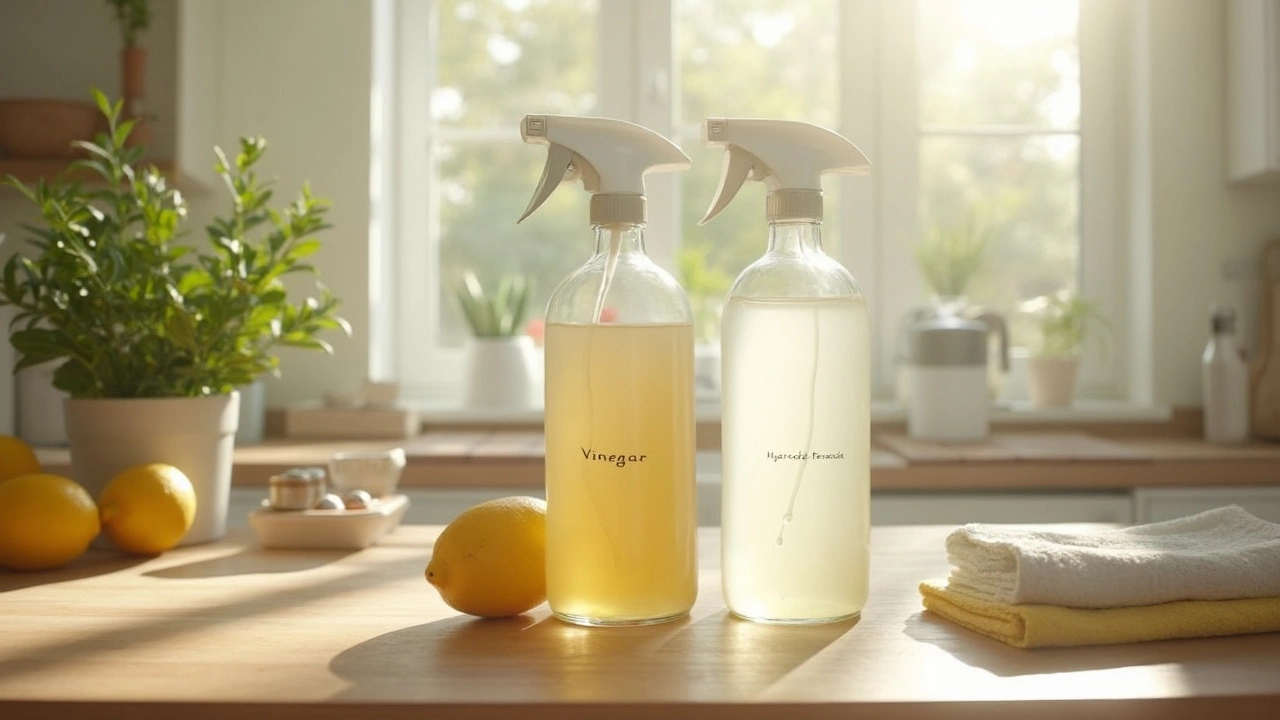
In the realm of window cleaning, the same acid dissolves the mineral crystals left by hard water. A 1:1 water‑to‑vinegar solution is enough to tackle most streaks, while a 1:3 mix is ideal for delicate glass that might react to stronger concentrations. Because vinegar evaporates quickly, it reduces the chance of water spots forming after the job. The trick is to apply it with a spray bottle, wipe with a lint‑free cloth, and finish with a quick buff—no squeegee needed.
Beyond ovens and windows, vinegar shines as a multi‑purpose natural cleaner. It safely disinfects countertops, removes soap scum from showers, and even neutralizes odors in the fridge. The key is always to test a small area first and never mix vinegar with bleach, as the reaction creates toxic chlorine gas. By understanding these attributes—acidic strength, safe dilution, and broad applicability—you’ll see why many households choose vinegar over synthetic products.
Now that you’ve got the science behind the magic, the collection below shows real‑world recipes, safety tips, and step‑by‑step guides for using vinegar in every room of your house. From tackling a greasy oven to achieving streak‑free windows, each post gives you the exact know‑how you need to turn that simple bottle into a powerhouse cleaning ally.