The Ultimate Guide to the Best Cleaning Solutions for Pressure Washers
Discover the best cleaning solutions for pressure washers. Learn how to match chemicals to surface types, avoid damage, and apply safely.
Read MoreWhen working with Pressure Washing, a high‑pressure water cleaning method used on homes, driveways, and commercial surfaces. Also known as power washing, it removes grime, oil, and mold without harsh chemicals. The process relies on a Pressure Washer, the machine that generates the water jet, measured in PSI and flow rate and on selecting the right PSI, pounds per square inch, which determines whether you clean a delicate siding or a stubborn concrete slab. Many entrepreneurs turn it into a Pressure Washing Business, a service venture that mixes equipment costs, pricing strategies, and marketing to generate profit, while homeowners often start with a single unit to tackle mold on exterior walls. A common application is Mold Removal, using the water jet to break up fungal growth on siding, decks, and brick. If you’re looking to master Pressure Washing, understanding these core elements is essential.
Pressure washing encompasses surface cleaning, which means it can be used on everything from vinyl siding to concrete driveways. It requires appropriate PSI, because too much pressure can strip paint while too little leaves stubborn stains. The right equipment enables efficient mold removal, and knowing how to quote a job ensures you stay profitable. For example, a typical residential quote breaks down labor, water consumption, and equipment wear, helping both the client and the service provider see where value lies. When you set a price, you also consider factors like surface type, area size, and any necessary chemicals – even though most jobs rely on plain water.
Starting a pressure washing business isn’t just buying a machine; it’s also about licensing, insurance, and marketing. Public liability insurance protects you if water damages a client’s property, while a strong online presence brings in local leads. Choosing a pressure washer with the right flow rate (gallons per minute) and PSI balance lets you tackle a range of jobs without swapping equipment. Safety is another pillar – wearing eye protection, securing the hose, and testing the pressure on a small area prevent costly mistakes. By mastering these fundamentals, you can expand from house washing to commercial contracts, increasing both revenue and reputation.
The articles below dive deeper into each of these areas. You’ll find detailed guides on calculating quotes, selecting PSI for specific materials, avoiding driveway damage, and even alternative cleaning methods that complement pressure washing. Whether you’re a DIY homeowner or an aspiring business owner, the collection gives you actionable tips and real‑world numbers to help you make smarter cleaning decisions.
Discover the best cleaning solutions for pressure washers. Learn how to match chemicals to surface types, avoid damage, and apply safely.
Read More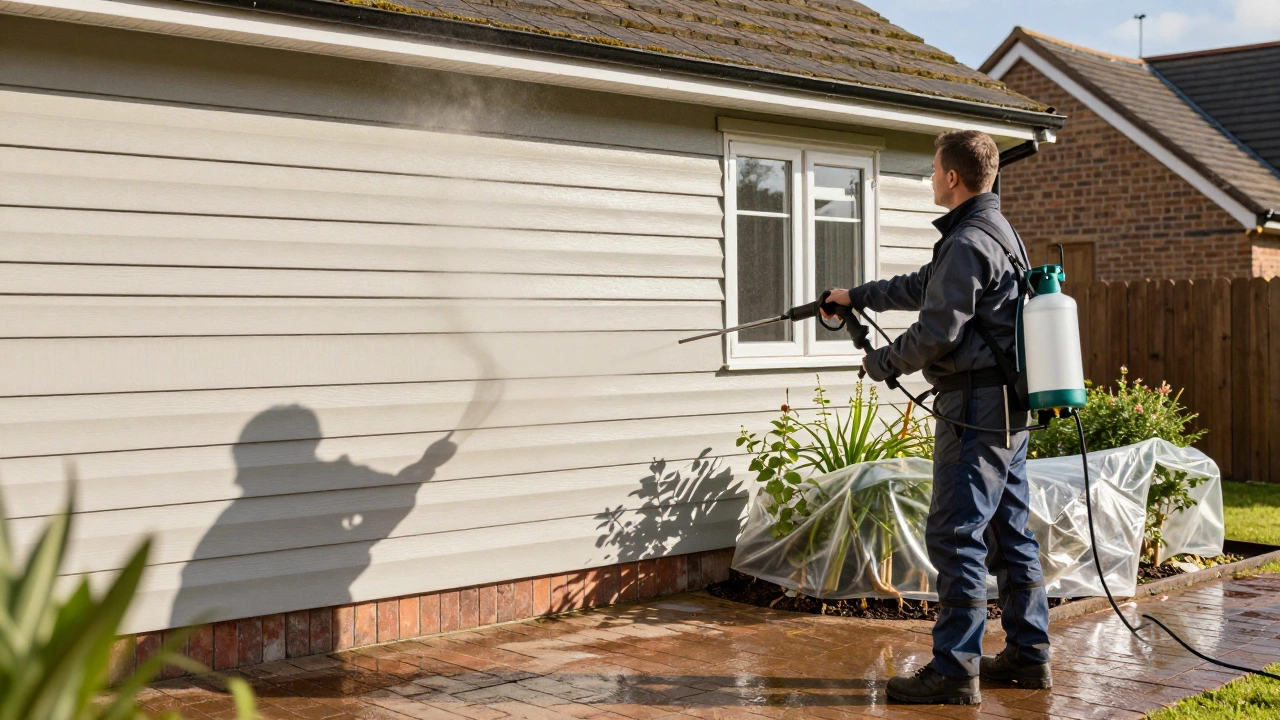
The best thing to power wash a house with is a specialized cleaning solution - not just water. Oxygen bleach works safely on most surfaces, while diluted sodium hypochlorite tackles tough mold. Always match the cleaner to your siding material and use low pressure to avoid damage.
Read More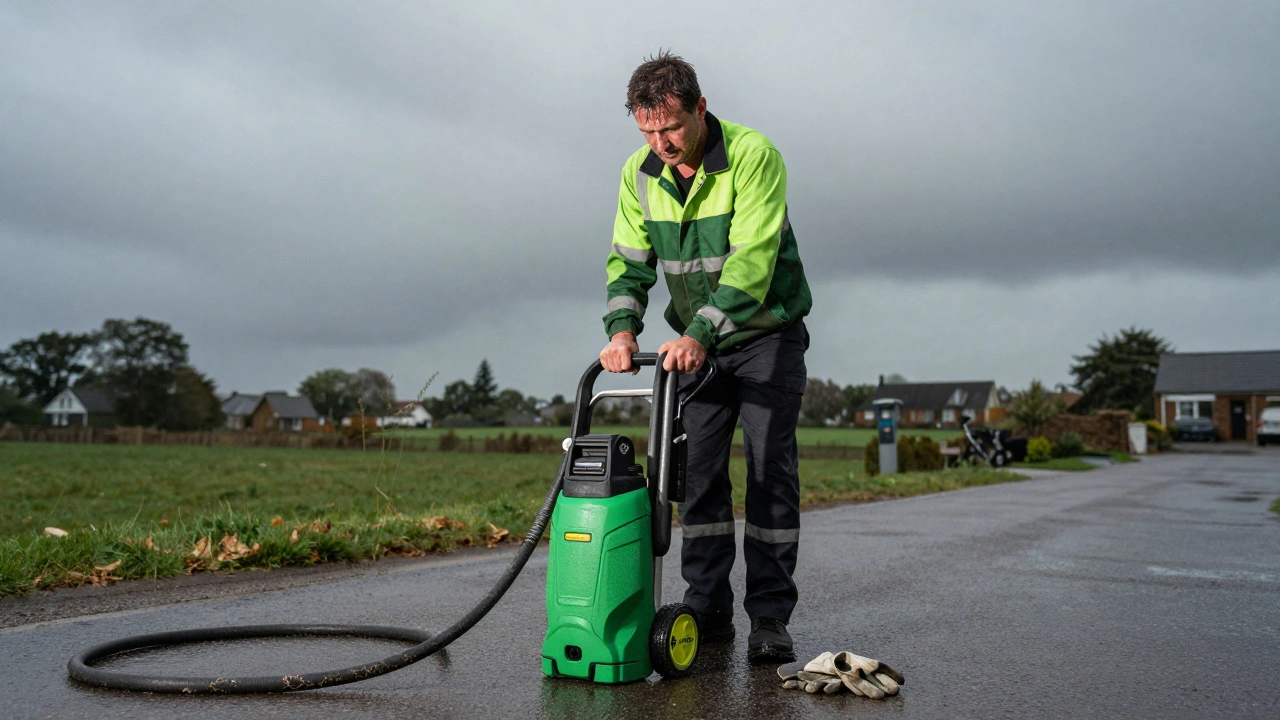
Starting a pressure washing business seems simple, but the physical toll, equipment costs, weather limits, and customer expectations make it harder than it looks. Here’s what most people don’t tell you before you invest.
Read More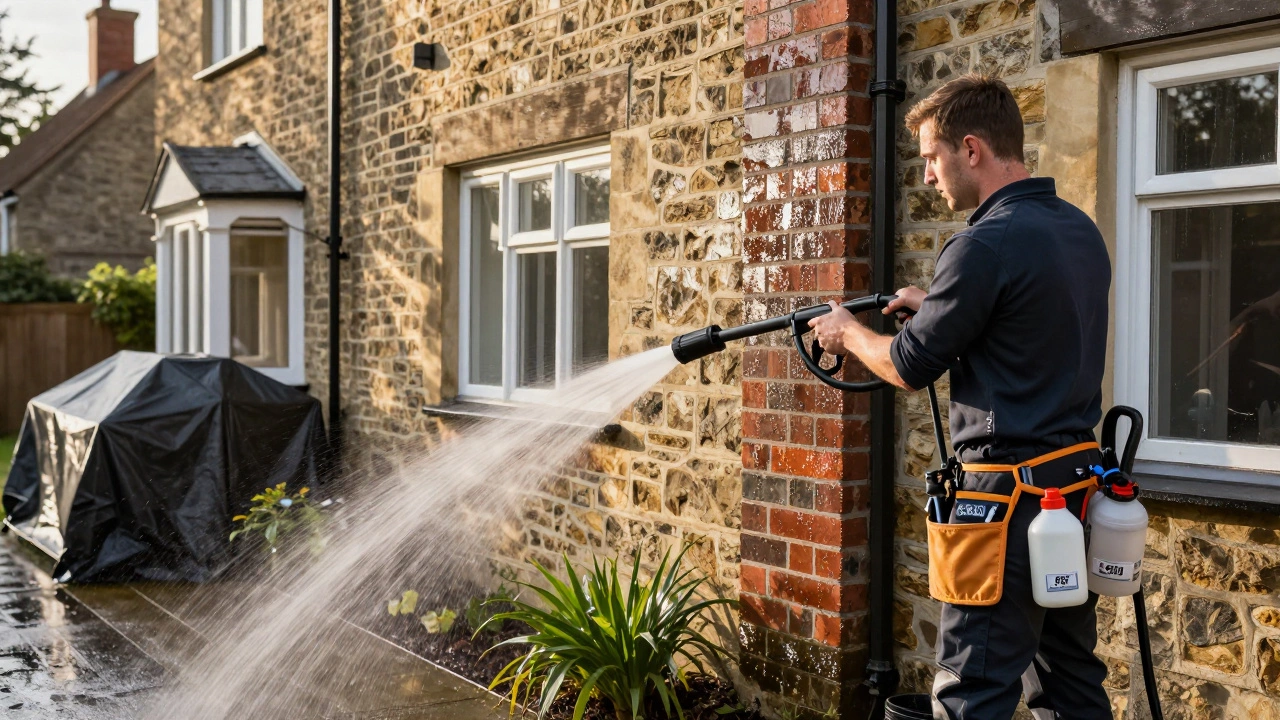
Professionals use gas-powered pressure washers with 3,000-4,000 PSI, specific nozzles, and targeted cleaning solutions to safely clean house exteriors. Learn what tools they use and why DIY often backfires.
Read More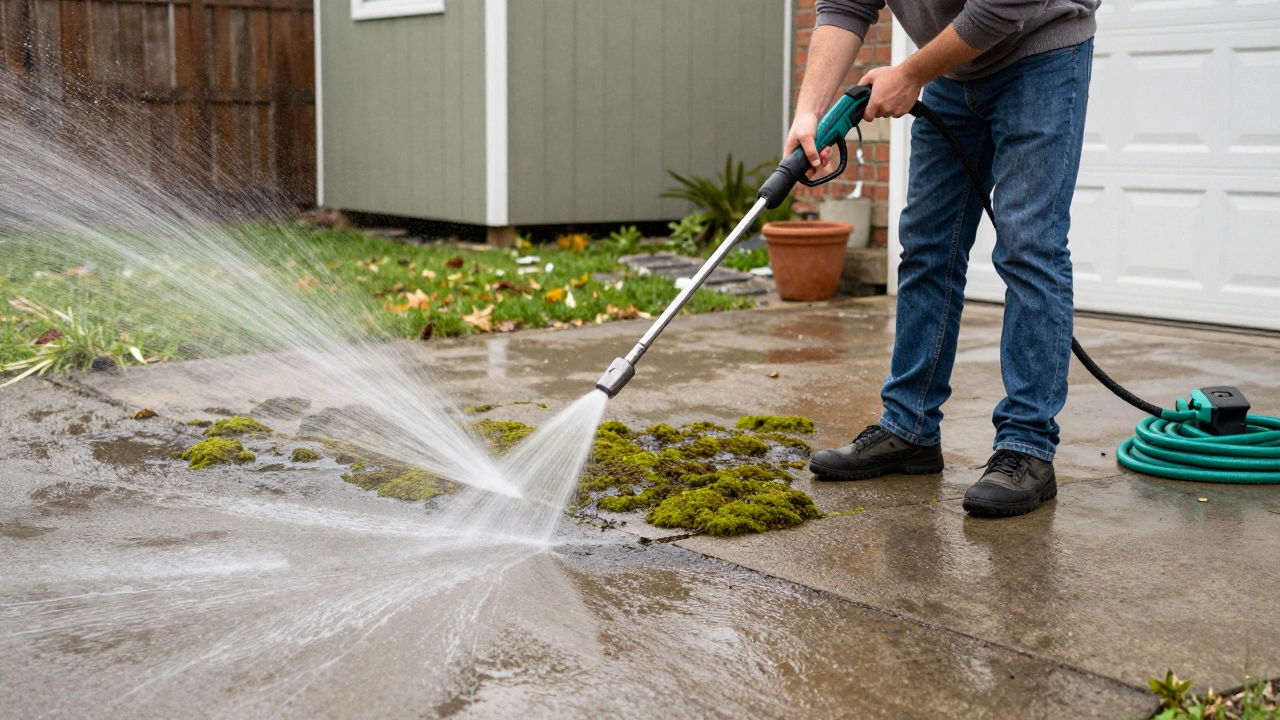
Pressure washers are in higher demand than ever in 2025, driven by weather, home improvement trends, and falling prices. Here's who's buying them, what models work best, and whether you should get one.
Read More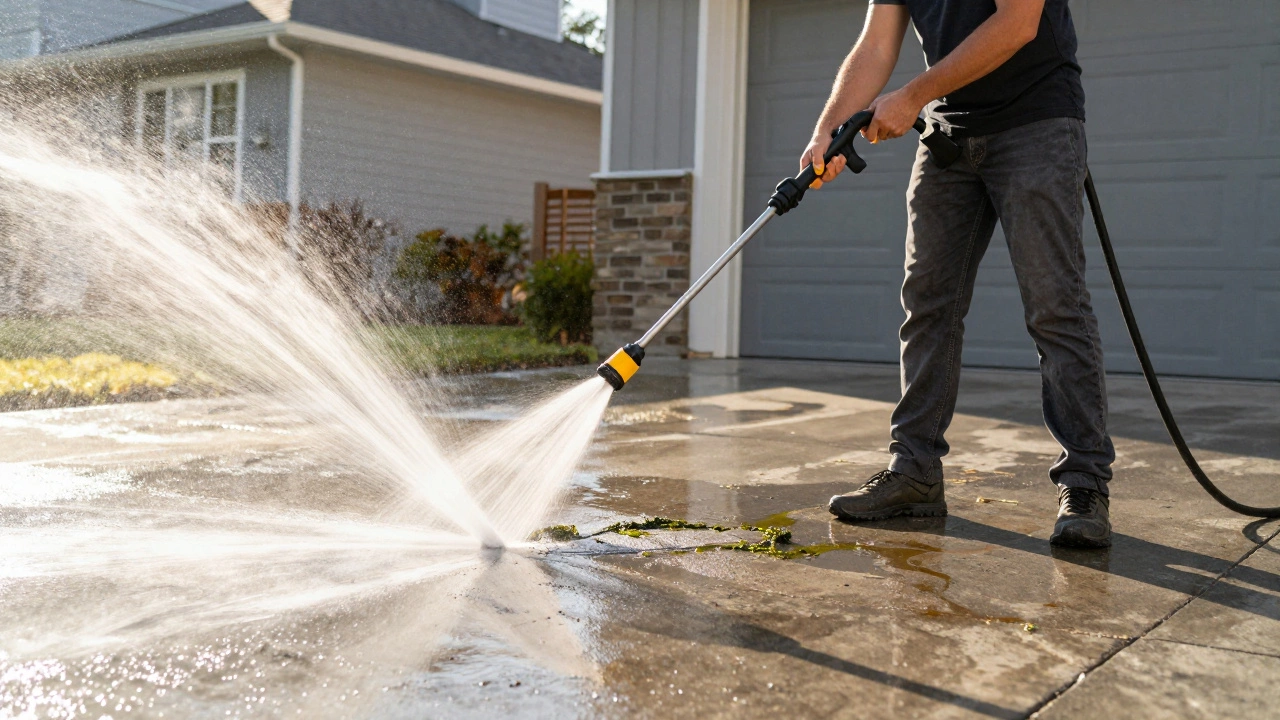
Learn the right PSI for cleaning your driveway safely-whether it's concrete or asphalt. Avoid damage and get better results with the correct pressure, nozzle, and technique.
Read More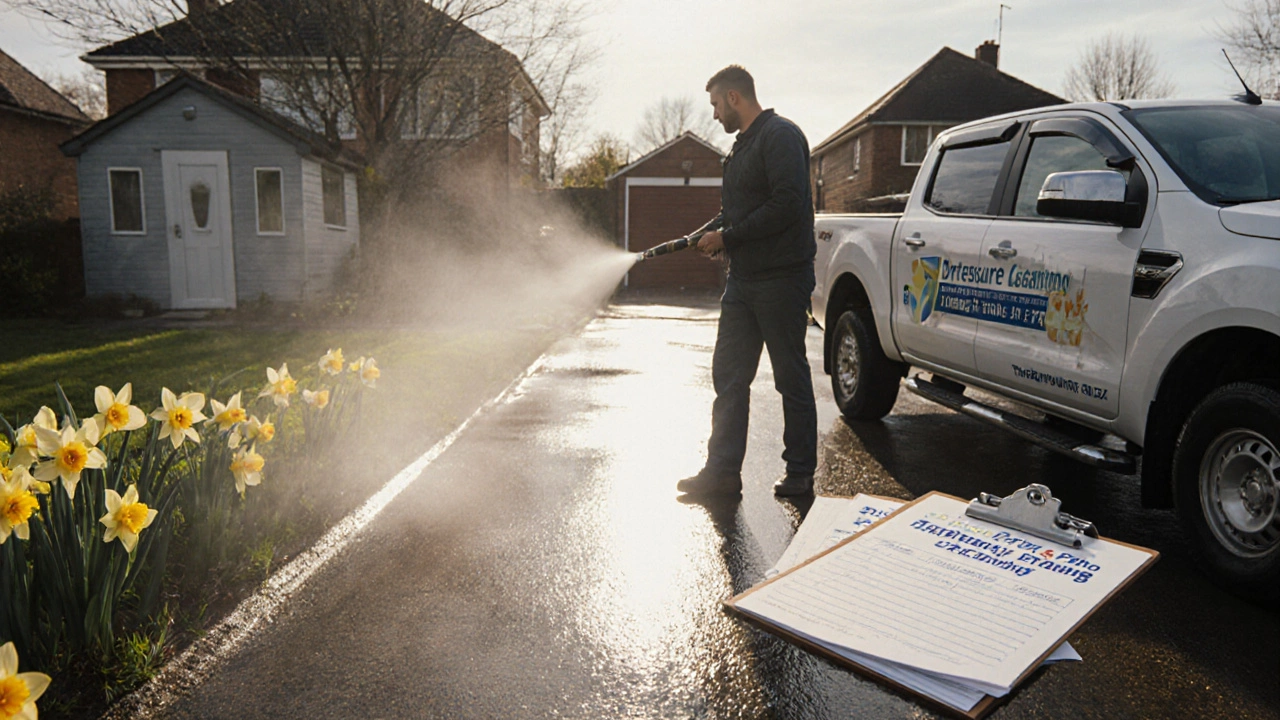
Pressure washing can earn you £30,000 to £120,000 a year in the UK with low startup costs and high demand. Learn how real operators make money in 2025, from residential jobs to commercial contracts.
Read More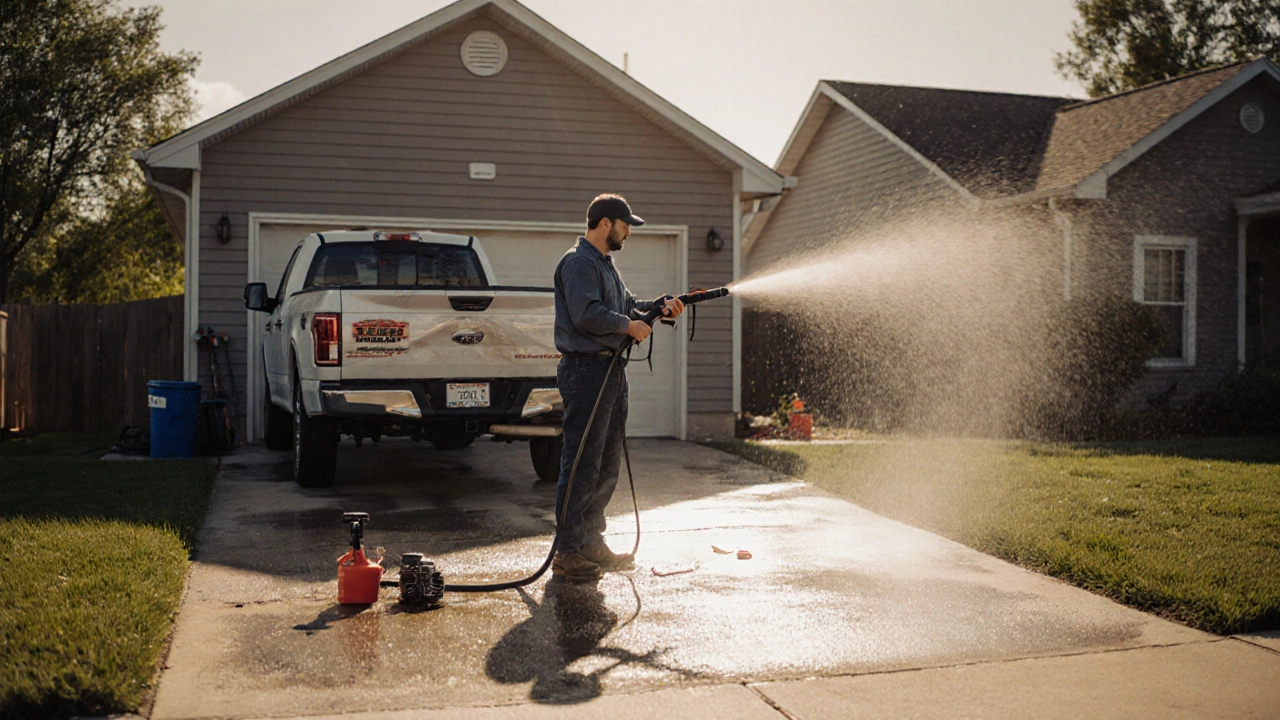
Pressure washing can make you a solid income-$50K to $200K a year-if you know how to price, market, and scale. No degree needed. Just a washer, a truck, and hustle.
Read More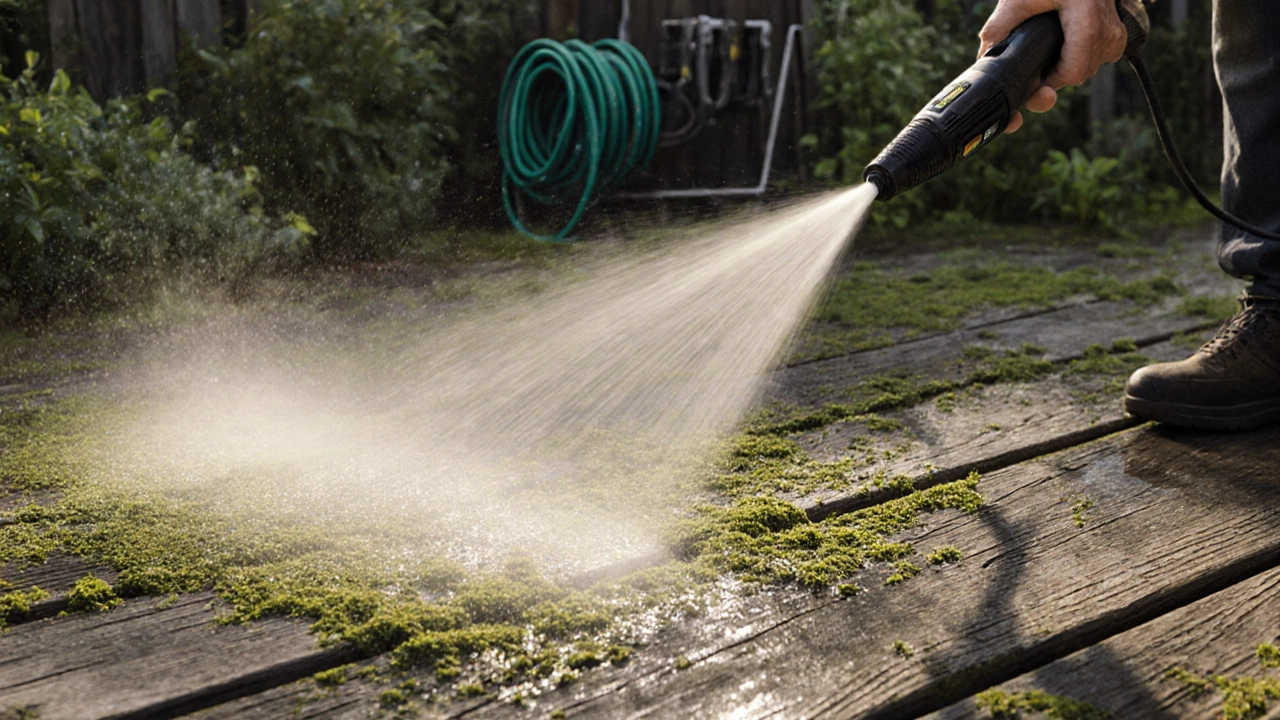
A pressure washer can save time and money if you clean outdoor surfaces regularly. But it’s not worth it for everyone. Learn who benefits most and what to watch out for before you buy.
Read More
Discover if launching a pressure washing business is tough, from startup costs and licensing to marketing tricks and profit potential.
Read More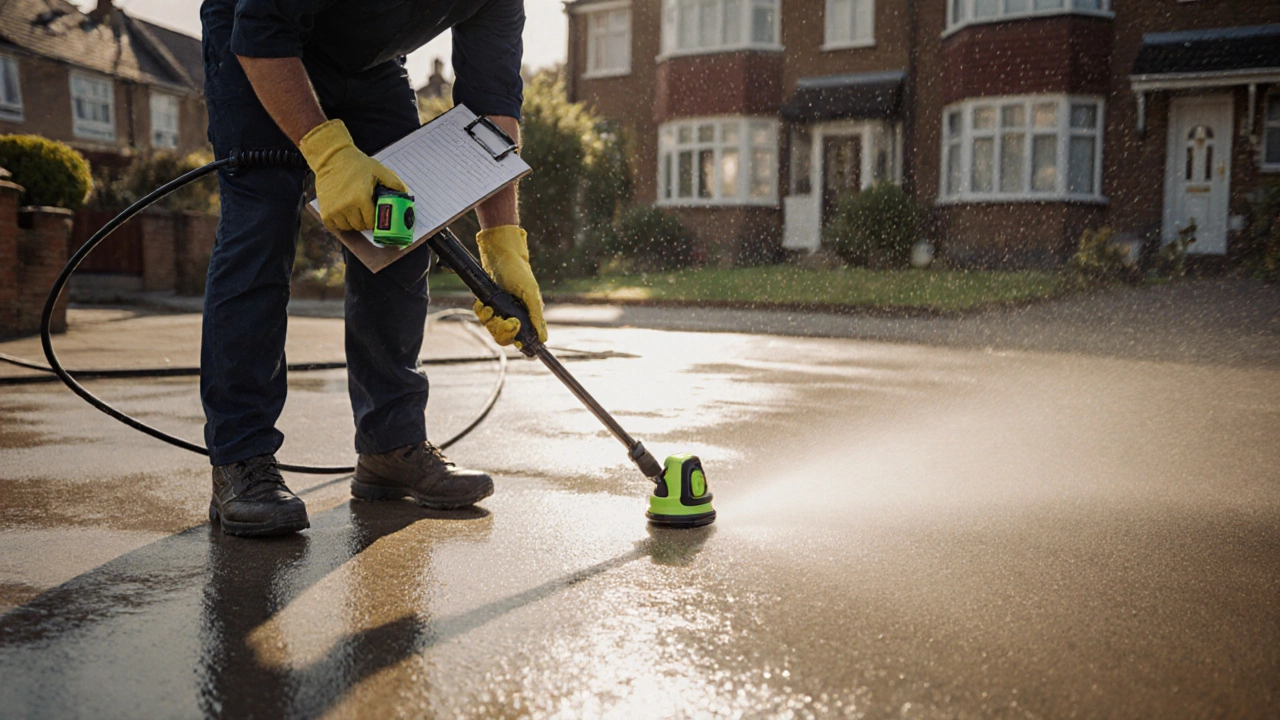
Learn how to price pressure washing services in the UK with clear formulas, pricing models, sample calculations and a detailed cost checklist.
Read More
Explore the profit potential of power washing, from startup costs and equipment choices to pricing, marketing tips, and real‑world earnings in the UK.
Read More