End of Tenancy Cleaning: What You Need to Know
When dealing with End of Tenancy Cleaning, a thorough clean performed at the end of a rental agreement to restore the property to its original condition. Also known as move‑out cleaning, it aims to satisfy both tenant and landlord expectations while safeguarding the security deposit. This service typically covers kitchens, bathrooms, carpets, windows and any areas highlighted in the tenancy agreement. By tackling grease, grime and hidden dirt, the clean reduces the risk of disputes and helps both parties close the rental contract on good terms.
Key Elements of a Proper Cleaning Checklist
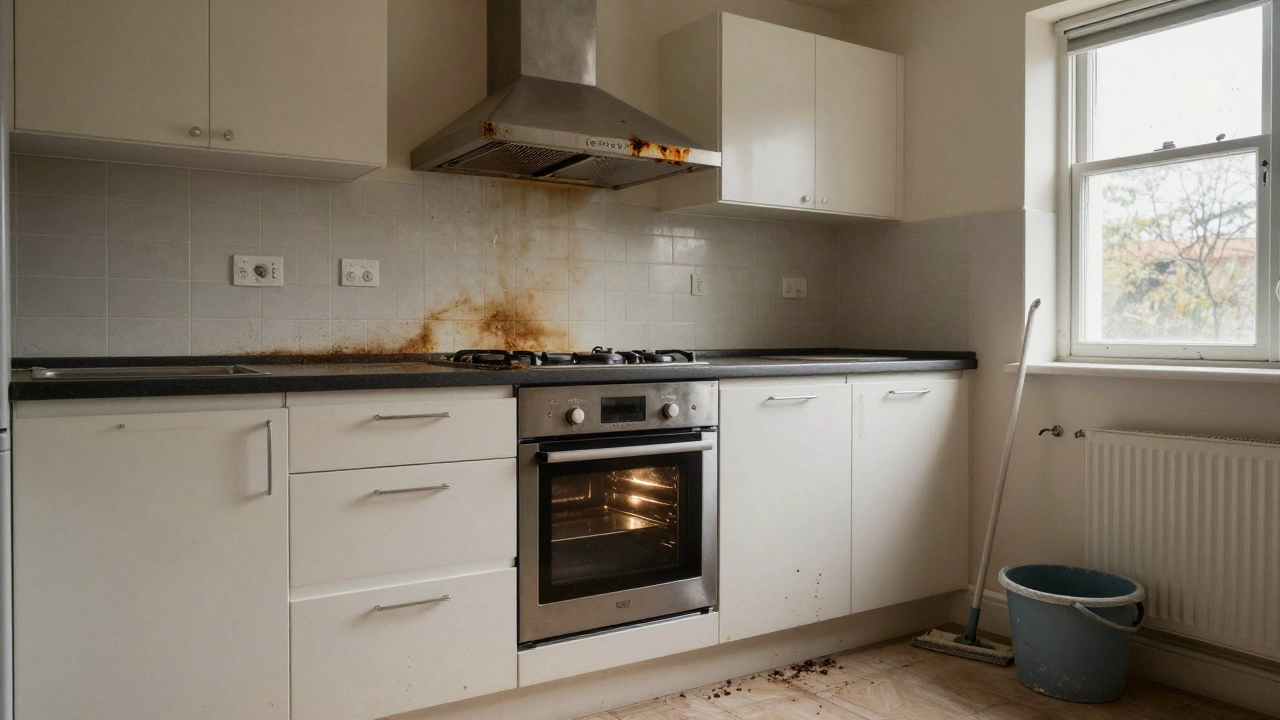
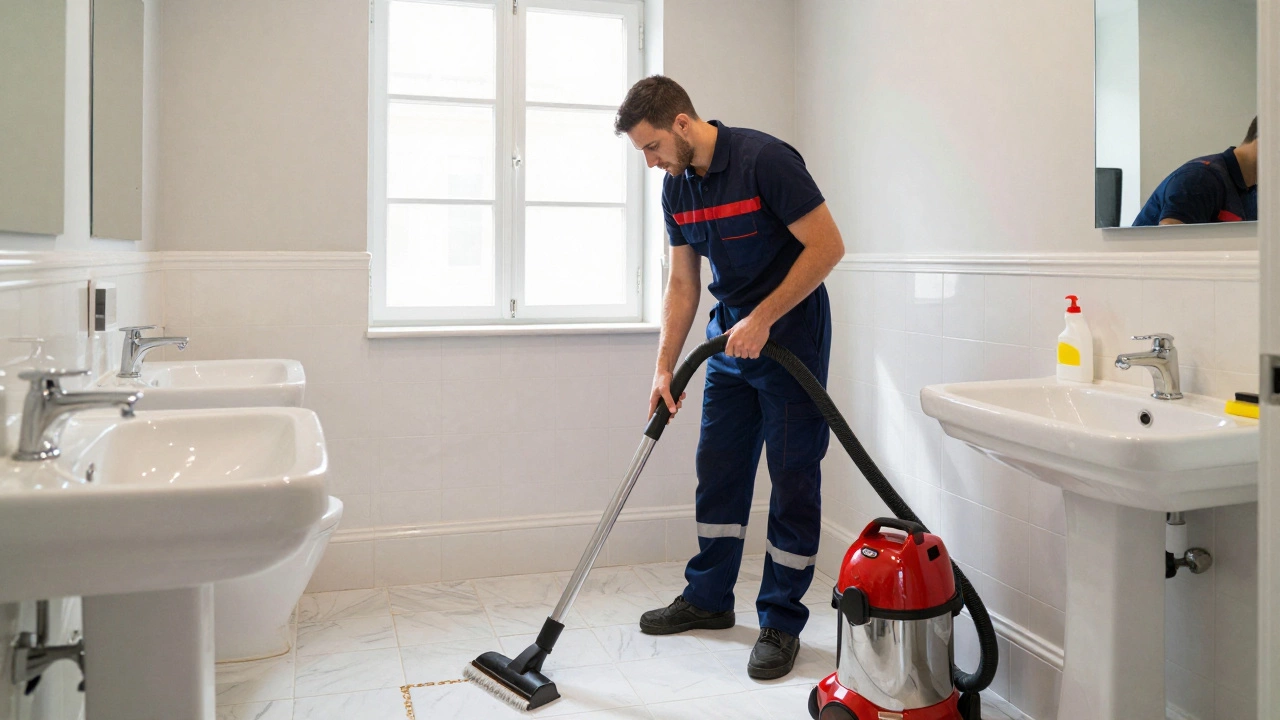
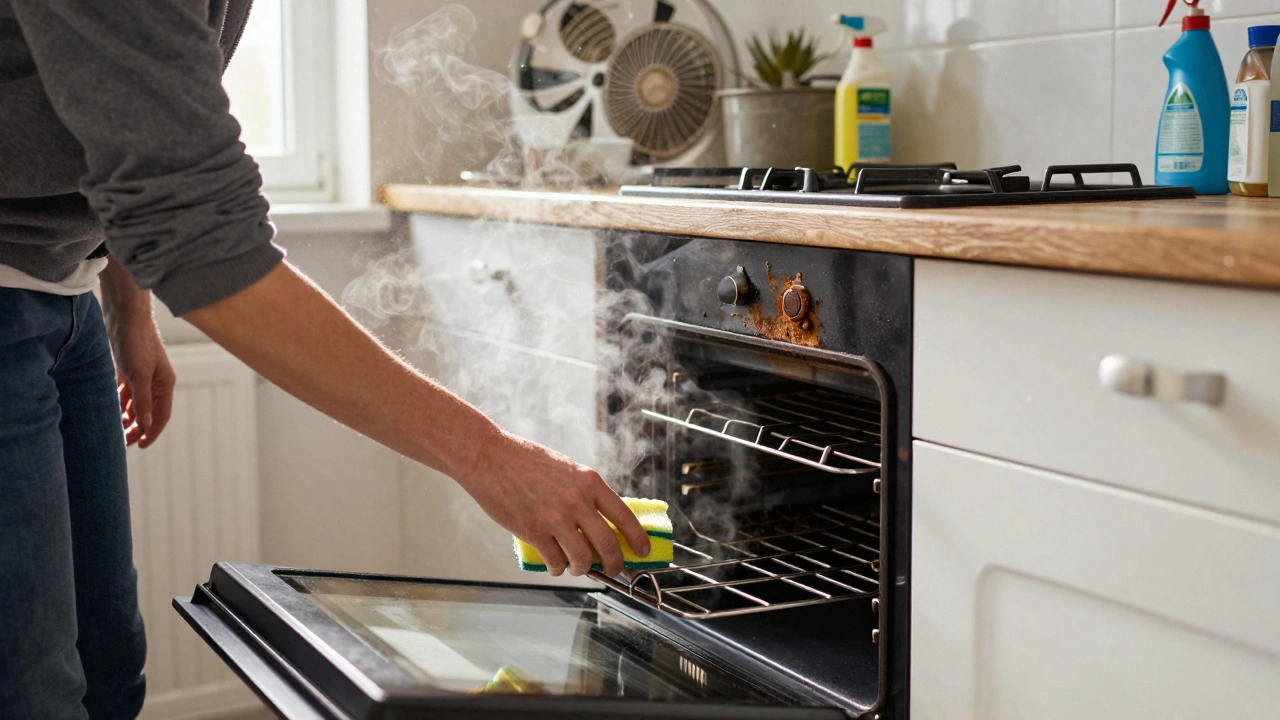
Every reputable cleaning provider follows a Cleaning Checklist, a detailed list of tasks that ensures nothing is missed during the final clean. The checklist usually starts with the kitchen—oven interiors, extractor fans, stovetops and countertops are scrubbed until they sparkle. Bathrooms get a deep dive: tiles, grout, showers and toilets are descaled and disinfected. Carpets are vacuumed, spot‑treated, and often steam‑cleaned to lift embedded stains. Windows are washed inside and out, while skirting boards, light switches and door frames receive a dust‑free finish. When the checklist is followed step‑by‑step, landlords can verify the work against their own inspection list, making the handover smoother for everyone.
Beyond the tasks, two other entities drive the outcome: Security Deposit, the refundable sum tenants pay at the start of a tenancy to cover potential damages or unpaid rent, and Wear and Tear, the normal depreciation of a property caused by everyday use, which landlords cannot charge against the deposit. Knowing the difference between genuine damage and ordinary wear helps tenants avoid unnecessary deductions. A clean that meets the checklist criteria demonstrates that any remaining issues are likely normal wear, not neglect. Landlords, in turn, use the checklist to separate chargeable damage from acceptable wear, protecting both parties' finances. When you hire a professional service that respects these standards, you’re investing in a smooth checkout and a higher chance of getting your full deposit back. That’s why end of tenancy cleaning is more than a chore—it’s a strategic step in ending a tenancy on the right foot.
Now that you understand the core concepts, you’ll see why each article in the collection below tackles a specific angle—whether it’s breaking down agency checklists, navigating landlord‑charging rules in California, or clarifying what counts as normal wear and tear. Use the insights to plan your final clean, negotiate with your landlord, and keep your deposit safe.